

Receiving the Body and Blood of Chrust
Introduction:
The Holy Eucharist, a central sacrament in Christianity, symbolizes the body and blood of Jesus Christ. However, the interpretation of this ritual varies between Catholics and other Christian denominations, leading to distinct beliefs and practices. In this article, we will delve into the main difference between Catholics and Christians concerning the reception of the Body and Blood of Christ, exploring the significance of literal versus symbolic interpretations.
Understanding the Holy Eucharist:
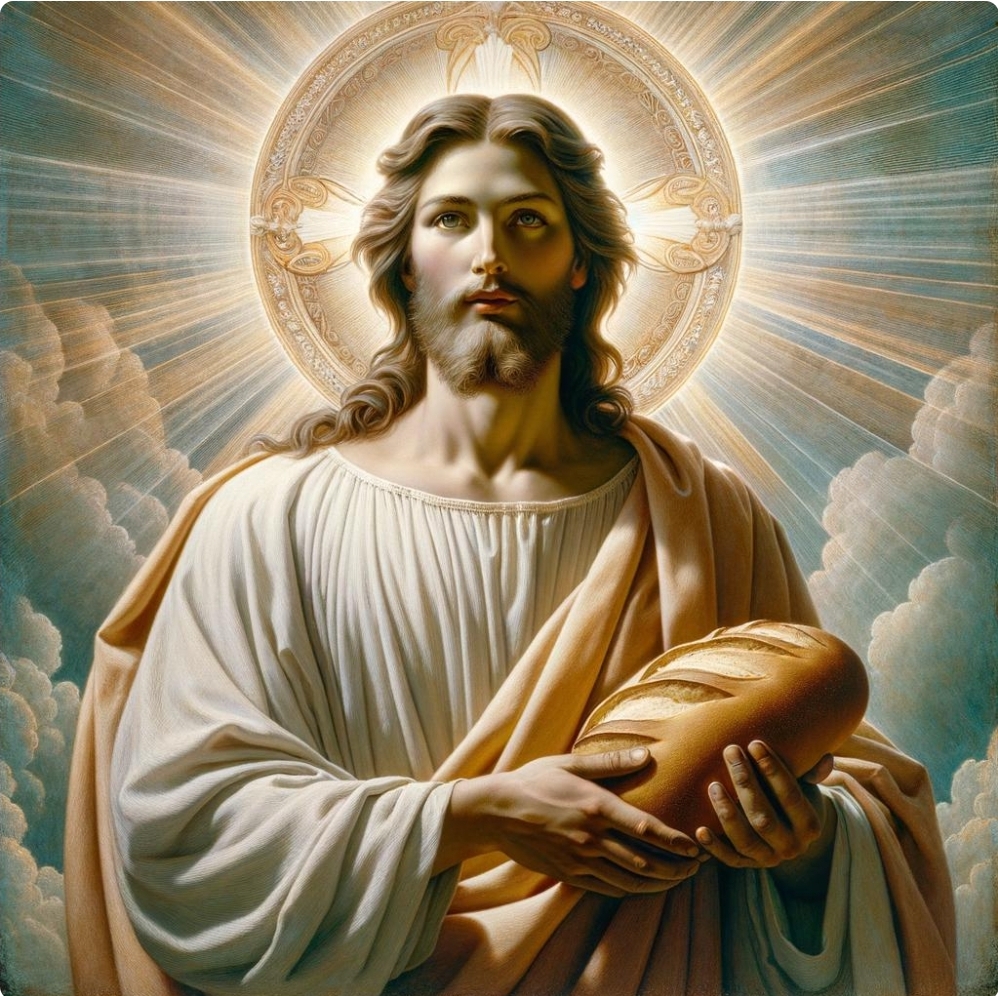
The Holy Eucharist, also known as Communion or the Lord’s Supper, holds profound importance in Christian faith as a commemoration of the Last Supper of Jesus with his disciples. During this sacrament, bread and wine are consecrated by a priest, symbolizing the body and blood of Christ. However, the interpretation of this transformation differs significantly among Christian traditions.
Catholic Belief:
In the Catholic Church, the doctrine of transubstantiation is central to the understanding of the Holy Eucharist. According to this belief, during the consecration of the bread and wine, they undergo a substantial change, becoming the actual body and blood of Christ while retaining the appearance of bread and wine. Catholics emphasize the real presence of Christ in the Eucharist, viewing it as a sacred mystery where the essence of the elements is transformed.
Christian Belief:
On the other hand, many other Christian traditions, such as Protestants and Orthodox Christians, hold a symbolic or memorial view of the Eucharist. They believe that the bread and wine used in Communion symbolize the body and blood of Christ, serving as a commemoration of his sacrifice on the cross. For these Christians, the focus is on the spiritual significance of the ritual rather than a literal transformation of the elements.
The Main Difference:
The main difference between Catholics and Christians regarding the reception of the Body and Blood of Christ lies in the interpretation of the Eucharist’s nature. Catholics affirm the real presence of Christ in the consecrated elements, emphasizing the transubstantiation that occurs during the Mass. In contrast, many other Christian denominations consider the Eucharist as a symbolic act of remembrance, highlighting the spiritual and communal aspects of the ritual.
Implications and Significance:
The theological divergence between Catholics and other Christians on the Holy Eucharist reflects deeper differences in doctrine and ecclesiology. The belief in transubstantiation shapes Catholic liturgical practices and devotional life, fostering a sense of awe and reverence towards the Eucharist as the true body and blood of Christ. On the other hand, the symbolic understanding of the Eucharist in other Christian traditions emphasizes the communal aspect of the sacrament and its role in fostering spiritual unity among believers.
Conclusion:
In conclusion, the main difference between Catholics and Christians in receiving the Body and Blood of Christ revolves around the interpretation of the Holy Eucharist. While Catholics uphold the doctrine of transubstantiation and the real presence of Christ in the consecrated elements, many other Christian denominations emphasize the symbolic nature of the Eucharist as a memorial of Christ’s sacrifice. Understanding these distinct beliefs sheds light on the rich diversity within Christianity and the various ways in which believers engage with the mystery of the Eucharist.
By delving into these theological nuances, Christians can deepen their appreciation for the significance of the Holy Eucharist and engage in meaningful dialogue across denominational boundaries, enriching their spiritual journey and fostering unity in Christ.
References:
- Catechism of the Catholic Church
- The Oxford Handbook of Sacramental Theology
External Links:
- Understanding the Eucharist in the Catholic Tradition
- Exploring Different Views on the Eucharist in Christianity
Internal Links:
- The Importance of the Last Supper in Christian Faith
- The Significance of Communion in Christian Worship
Remember, whether one embraces the literal interpretation of the Eucharist as Catholics do or views it symbolically like many other Christians, the shared celebration of the Lord’s Supper underscores the central role of Christ’s sacrifice in the life of believers worldwide.